



The Practical, Real-World Answer

Invisalign vs. Braces:
The Real Difference Is You.

Invisalign vs. Braces. Find out which one is right for you.

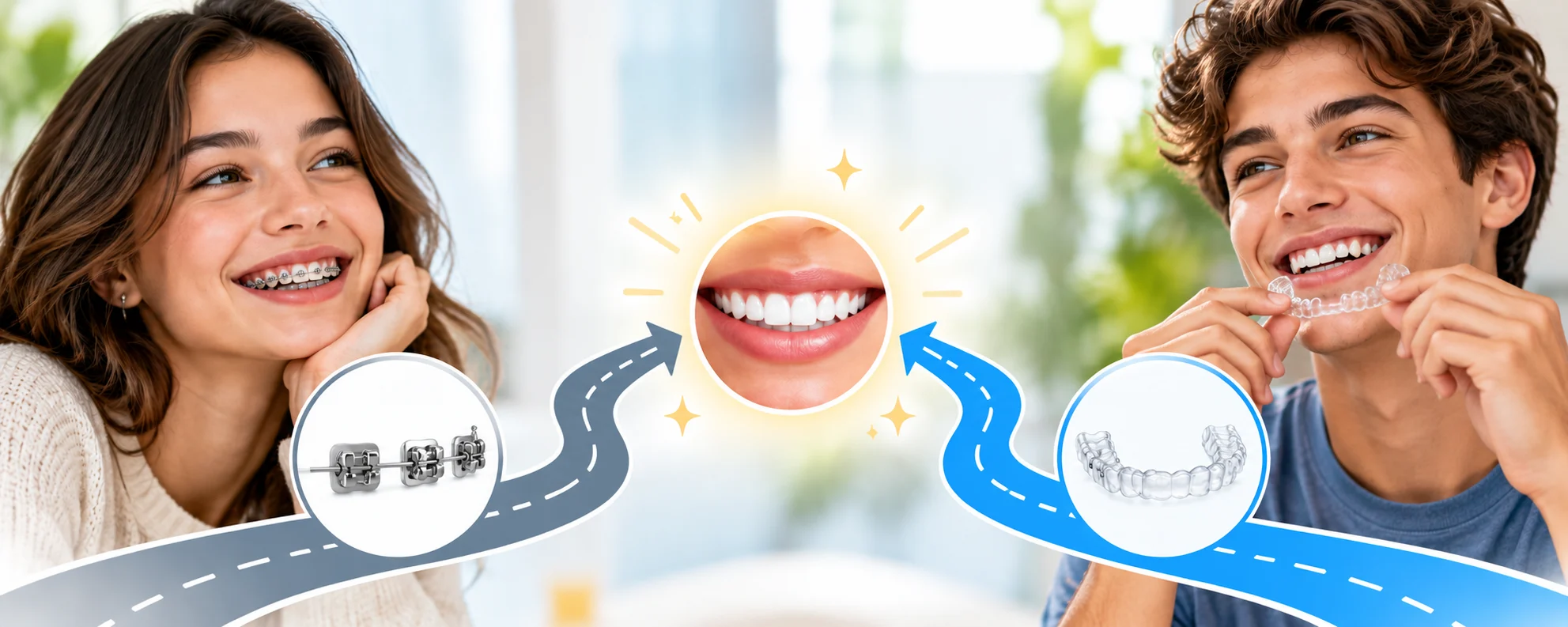
Both Invisalign and Braces can create an incredible smile. The real question isn't which one is better—it's which one fits your lifestyle, habits, and commitment.

  • Both Can Work BeautifullyFor most cases, either option gets you to the same finish line.
  • Your Lifestyle Makes the DifferenceInvisalign requires discipline—wearing and managing your trays every day. Braces stay in place—but still require their own care.
  • Know What You're Signing Up ForWe'll explain the practical differences—not just the marketing—so you can choose confidently.
The magic is the Orthodontist

Same Goal. Two Different Ways of Getting There.

Braces and Invisalign are two different methods of delivering orthodontic treatment. Both move your teeth gradually into better positions and improve your bite along the way.

Invisalign and Braces are just tools.

Braces

Brackets bonded to your teeth. Decades of proven results make braces one of the most versatile tools in orthodontics — with very few tooth movements they can't correct.

Explore Our Complete Braces Guide →

Invisalign

A series of clear, removable aligners that guide your teeth through a planned sequence of small movements. Excellent for a wide range of cases — though not every case.

Explore Our Complete Invisalign Guide →

So this isn't about picking a winner. It's about finding the option that makes the most sense for your teeth and your lifestyle — in that order.

Get Your Free Consultation
What Actually Differs

When Both Options Fit, This Is the Tiebreaker

When both can work for your teeth, these are the differences that matter most.

1. How Noticeable Is It?

Invisalign is discreet. That's the single biggest reason people choose it. Work, school, meetings, dinners, photos — no brackets and wires in the frame.

Clear doesn't mean completely invisible: Most Invisalign cases use small tooth-colored attachments bonded to some teeth to help grip the aligners. They're subtle, but they're there.

Braces are visible. But for many people, that's not a problem at all. Some even like the look of braces and don't mind showing that they're making a positive change in their lives. Today's braces are smaller and more comfortable than ever, and ceramic brackets offer a more discreet option.

2. How Much Do You Want to Manage?

Invisalign is removable. That's a real advantage, and it's also the catch. Removable means you have to remember to put them back. And you have to do that multiple times during the day.

Braces aren't removable. Nothing to remember, nothing to lose, nothing to put back in after a meal. In exchange, they come with their own rules about what you can eat and how you clean around them.

This is the part people underestimate. Think honestly which routine fits you better before you choose.

Super Orthodontics Office with prestigious diplomas on the wall
The Invisalign Reality Check

Here's What Invisalign Actually Asks of You

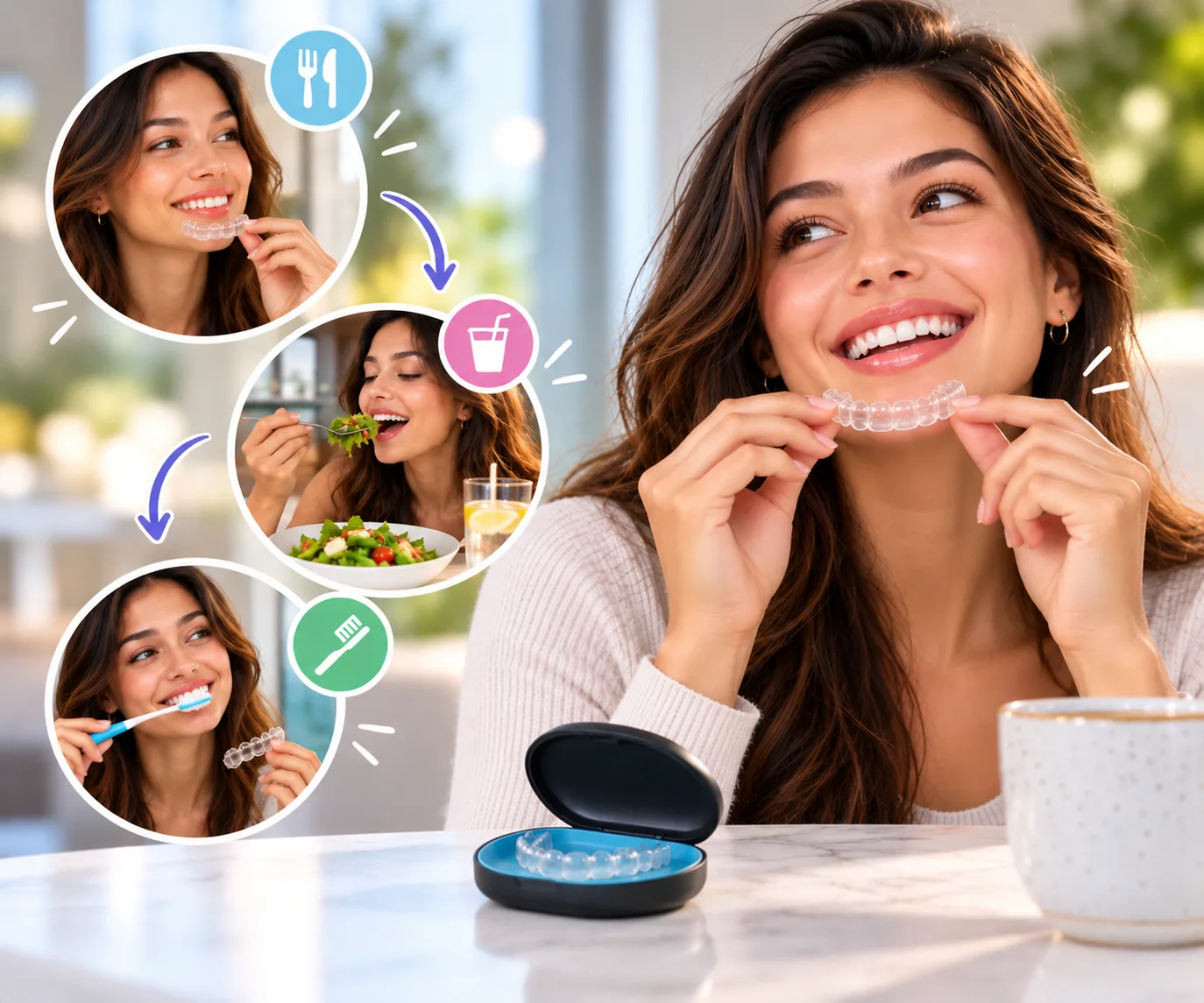
If Invisalign is right for your case, you'll need to wear your aligners about 20–22 hours a day. That means taking them out when you eat or drink anything other than water, then cleaning and putting them back in.

  1. 1

    You Eat — Take Them Out

    Every meal, every snack. Aligners come out first, and they go somewhere safe, not a napkin.

  2. 2

    You Drink Anything but Water — Out Again

    Coffee, soda, juice, wine. Hot drinks can warp the plastic, and sugary ones get trapped against your teeth.

  3. 3

    You Finish — Clean Up and Put Them Back

    Brush or at least rinse, clean the aligners, and put them back in. Then do it again at your next meal, snack, or drink. And tomorrow.

Invisalign cycle for taking out aligners before meals

For plenty of people this becomes automatic within a week . For others, three days in, the thought arrives: wait, every single time I eat?

Both reactions are normal. But which one really sounds like you?

The Braces Reality Check

And Here's What Braces Ask Instead

Braces don't ask you to remember to put anything back in. Instead, they come with their own rules about food, cleaning, and keeping your appointments.

Dr. Amir Assefnia, Consulting an orthodontic patient
  • Nothing to RememberThey're on your teeth. No trays to insert, lose, or leave at a restaurant or school.
  • Some Foods Are Off the TableHard candy, popcorn kernels, gum, ice, whole apples, and corn on the cob can damage brackets or wires. You'll need to modify some eating habits during treatment.
  • Brushing Takes More WorkCleaning around brackets and under the wire takes extra attention. It's important to keep everything clean throughout treatment.
  • Regular Office VisitsYour braces are adjusted during scheduled visits, and occasional broken brackets or wires may require an extra visit.
A Practical Comparison

Invisalign vs. Braces: Side by Side

No scorecard. Just what each one is actually like.

BracesInvisalign
Visibility Visible. Ceramic brackets blend in more than metal. Discreet, though small tooth-colored attachments are usually needed.
Daily Routine Nothing to remember. Brush and floss carefully. 20–22 hours a day. Take out to eat or drink, put them back in after.
Food Some hard, sticky and chewy foods are off the list. No food restrictions. Take the aligners out before eating or drinking anything other than water.
Cleaning Brushing around brackets and under the wire requires extra attention. Brush and floss normally, plus clean the aligners.
Office Visits Regular adjustments, plus an occasional visit if a bracket or wire breaks. Check-ins to confirm your teeth are tracking the plan.
Treatment Time Depends primarily on your case and how your teeth respond. Depends on your case and, importantly, how consistently you wear the aligners.
Case Range Very versatile and can handle complex tooth movements. Effective for a wide range of cases, but not every case.
Cost at Our Office Comparable for comparable cases. Comparable for comparable cases.

Price Is Usually Not the Deciding Factor

People expect Invisalign to cost dramatically more. For similar cases at our office, the two are closer than most assume — so cost rarely settles the question. See our cost and payment planner for cost ranges, insurance, and interest-free in-house financing.

Not sure which one fits your lifestyle better? One free visit settles it.

Book Your Free Consultation
The Bottom Line

One Question Settles It for Most People

Forget the comparison chart for a second. If both options are appropriate for your case, ask yourself:
Am I willing to wear trays about 22 hours a day, and take them out every single time I eat or drink?

Invisalign May Fit You If…

  • Discretion matters to youClient meetings, photos, presentations, or simply your personal preference.
  • You're good at keeping track of thingsKeys, phone, wallet — and now a small case for your aligner.
  • You eat on a scheduleThree meals may be easier than all-day grazing when every snack means taking the aligners out.
  • You'd rather not change what you eatNothing is off the menu when you take the aligners out first.

Braces May Fit You If…

  • You don't want one more thing to managePut them on, let them work, show up for your adjustments.
  • You snack all daySchool, sports, long shifts—or just frequent snacking. Braces don't need to come out every time you eat.
  • Visibility doesn't bother youOr you'd rather have ceramic brackets and get on with it.
  • Your case calls for themSome tooth movements are better treated with braces. Dr. Amir will tell you if yours is one of them.

Neither list is a rule. If you see yourself in both columns, that's exactly what a consultation is for.

Kids, Teens, Adults

Age Doesn't Determine the Appliance. Your Lifestyle Does.

It isn't "kids get Braces, adults get Invisalign." It's about what your actual day looks like and more importantly, your orthodontic needs.

  • Kids

    Picture a school day: lunch, snacks, practice, and a juice box on the way home. Each one means taking aligners out, keeping them safe, cleaning your teeth and putting them back in. Some kids handle it easily. For others, Braces are simply more practical — there's nothing to remember.

  • Teens

    This one genuinely goes either way. Some teens want Invisalign because they care about photos, friends, and appearance — and that motivation can help them stay on track. Others don't want one more responsibility, and braces may be the easier path. It comes down to the individual, not the age.

  • Adults

    Invisalign is often appealing to adults who want a more discreet option for client meetings, presentations, and professional settings. If you're organized, the routine can fit easily into your day. But plenty of adults would rather put braces on and let them do the work.

Before the Lifestyle Question

First: Are Both Options Actually Right for Your Teeth?

Everything above assumes both options are appropriate for your case. Sometimes they aren't — and that's the one part of this decision that isn't about preference.

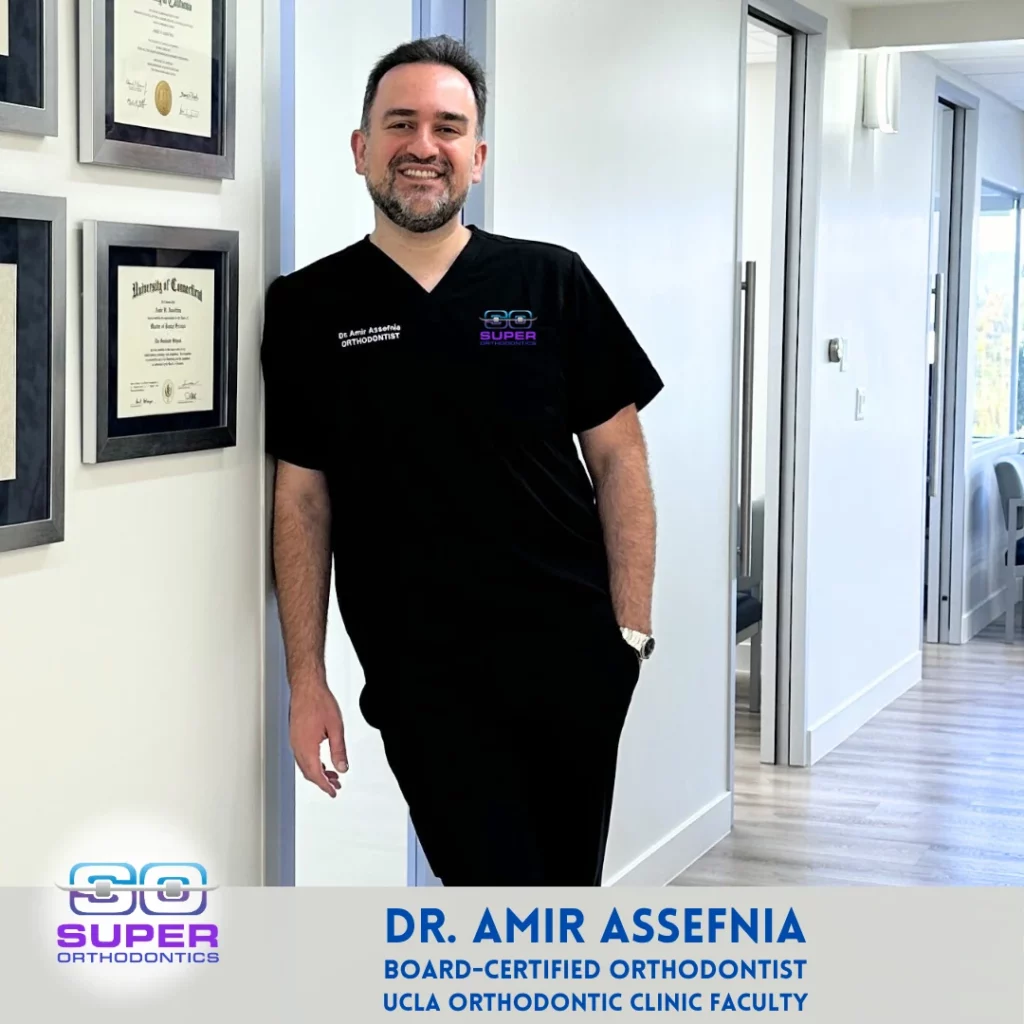
Dr. Amir Assefnia, DDS, MDS, MS — Board-Certified Orthodontist

Invisalign isn't automatically better because it's newer, and braces aren't better simply because they've been around longer. Both are tools. What matters first is which approach can predictably achieve the result your teeth and bite need.

Certain situations — especially more complex bite corrections, substantial tooth movements, or cases involving extractions—may be more predictably treated with braces. Plenty of other cases can go either way. The right choice starts with an orthodontic examination and, when appropriate, a 3D scan.

So the first question isn't “which is better?” It's “are both appropriate for my teeth?” If the answer is yes, then the lifestyle question becomes the real decision. If it's no, we'll tell you that plainly and explain why.

Remember, Invisalign or Braces don't do the magic — the Orthodontist does. So who should treat your teeth?

Orthodontist vs. Invisalign Provider→

Frequently Asked Questions

Invisalign vs. Braces: Your Questions, Answered

Is Invisalign Better Than Braces?

Not necessarily. Both can produce excellent results when they're appropriate for your case. The right choice depends first on your teeth and bite, and then on your lifestyle and preferences. Braces can be more versatile for complex cases, while Invisalign offers a more discreet option when your case is suitable.

Do Braces and Invisalign Cost the Same?

At our office, they're often closer in cost than people expect for comparable cases. Your exact fee depends on the complexity and length of treatment, and you'll have it in writing at your free consultation. See our cost and payment planner for treatment ranges, insurance, and interest-free in-house financing.

Does Invisalign Take Less Time Than Braces?

Not necessarily. Treatment time depends primarily on your case and how your teeth respond to treatment. For comparable cases, treatment times can be similar. With Invisalign, consistent wear is also important to keeping treatment on track.

Do You Really Have to Wear Invisalign 22 Hours a Day?

Aligners are generally intended to be worn about 20 to 22 hours a day, depending on your orthodontist's instructions. You take them out to eat and drink anything other than water, then put them back in afterward. Consistent wear helps keep your treatment on track.

Can I Eat With Invisalign?

Yes, but you take the aligners out first. That applies to meals, snacks, and anything you drink other than water. Afterward, clean your teeth, rinse the aligners, and put them back in. Nothing is off the menu, but the routine repeats every time you eat.

What Foods Can't I Eat With Braces?

You'll need to avoid or modify some hard, sticky, and chewy foods, including hard candy, ice, popcorn kernels, gum, caramel, and nuts. Foods like apples and corn on the cob should be cut into smaller pieces rather than bitten into whole. These restrictions end when your braces come off.

What Happens If I Don't Wear My Aligners Enough?

If you don't wear your aligners as directed, your teeth may not track with the planned movements and the aligners may stop fitting properly. That can mean additional aligners or a longer treatment time. Consistent wear is an important part of keeping Invisalign treatment on schedule.

Is Invisalign Really Invisible?

It's discreet, not completely invisible. Most cases use small tooth-colored attachments bonded to some teeth to help the aligners grip and move your teeth. They're subtle, but they're there.

Are Braces Better for Kids?

Not automatically, but they can be more practical for some children. A typical school day can involve meals, snacks, sports, and drinks, and every time an aligner comes out, it needs to be kept safe and put back in. Some kids handle that easily. For others, having nothing to remember is a major advantage.

Is Invisalign Better for Adults?

Many adults like Invisalign because it's discreet, especially for meetings, presentations, and photos. But it isn't automatically the better choice for every adult. Some would simply rather have braces on and let them do the work without managing aligners throughout the day.

Which Is Easier to Take Care Of?

They require different kinds of care. With Invisalign, you have to keep track of your aligners, remove them to eat, clean them, and wear them consistently. With braces, there's nothing to remove, but brushing and flossing around brackets and under the wire takes extra attention.

How Do I Know Which One Is Right for Me?

Start with an orthodontic examination to determine whether both options are appropriate for your teeth and bite. If only one is suitable, the decision is much easier. If both can work, then your lifestyle, preferences, and how you feel about managing your treatment become the deciding factors.

Ready When You Are

Don't Choose Based on an Advertisement.

Let's look at your actual teeth, your bite, and your day. Dr. Amir will tell you which options are appropriate for your case and what each one would really be like to live with.
Get a free consultation, 3D smile preview, and clear pricing before you decide anything.

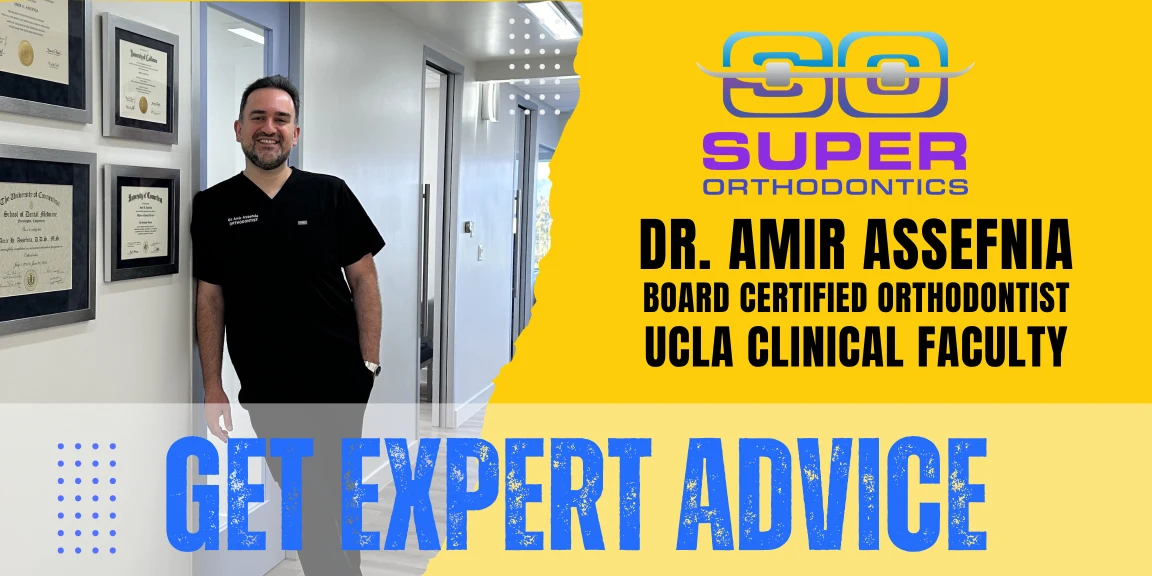
Expert Advice from Dr. Amir Assefnia, Board Certified Orthodontist and UCLA Clinical Faculty

Dr. Amir Assefnia earned a 99th percentile score on the National Board Dental Examination(NBDE), the HIGHEST SCORE possible and an achievement reached by only a RARE FEW in the history of the exam. You’re truly in the best hands!

1,000s Of Happy Patients. One Trusted Name!